Plenary Speakers
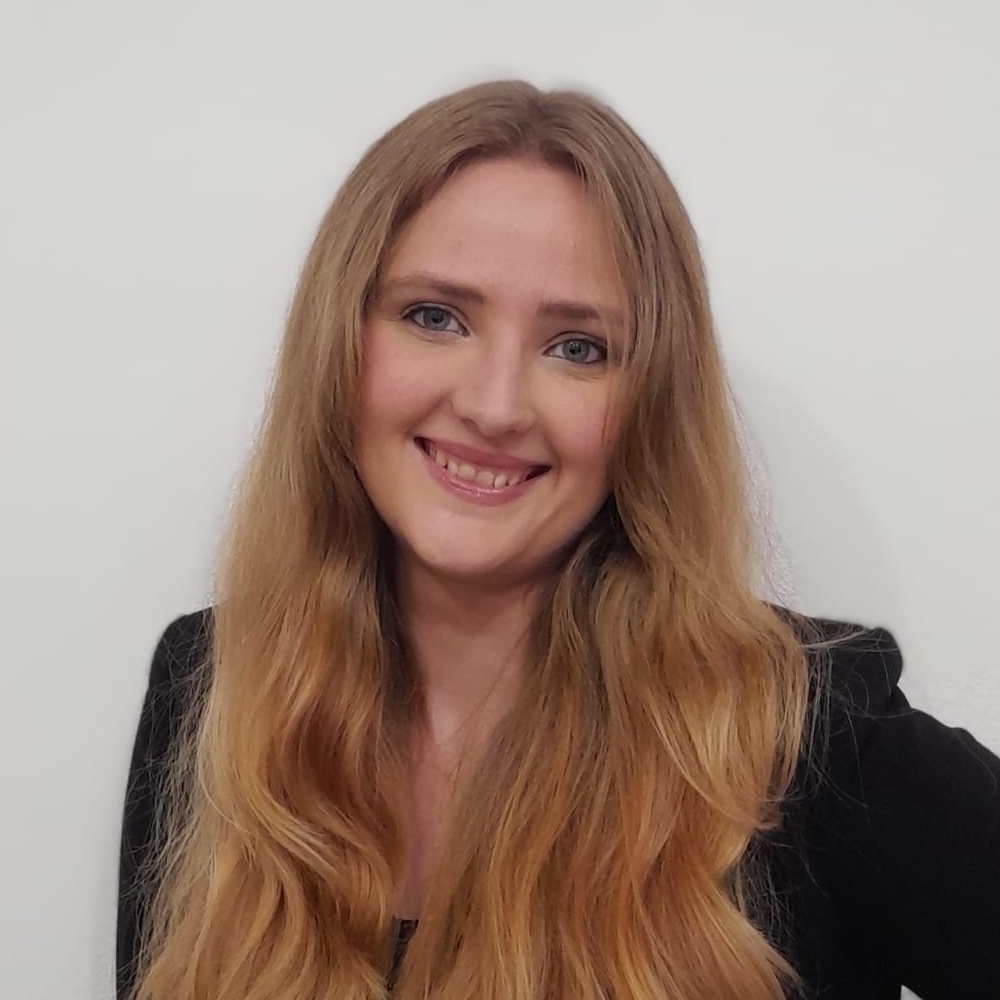
Prof. Berenice Sephton
Assistant Professor in Quantum Photonics, University of Naples Federico II, Italy
Title: Tailoring light for three-dimensional microscopy of materials
Bereneice Sephton studied physics at Nelson Mandela University (NMU) before going on to complete her PhD at the University of the Witwatersrand (Wits) in South Africa, where her research focused on structured light and its applications in quantum and nonlinear photonics. She subsequently joined the University of Naples Federico II in Italy, where she is now an Assistant Professor working in the Quantum Photonics laboratory. Her research explores the generation, manipulation and detection of complex states of light, with particular interests in structured light, nonlinear optics, quantum imaging and high-dimensional quantum information. Here, she was the first to demonstrate the transfer of high-dimensional spatial information across a quantum network using a nonlinear optical detector - work often described as the “quantum teleportation of images.” Her research also advanced single-pixel quantum ghost imaging, enabling complex features of objects to be revealed using quantum light. More recently, her research has expanded towards topographical encoding as well as structured-light interferometry, with the aim of developing compact and versatile photonic tools for applications spanning quantum technologies, imaging and optical metrology.
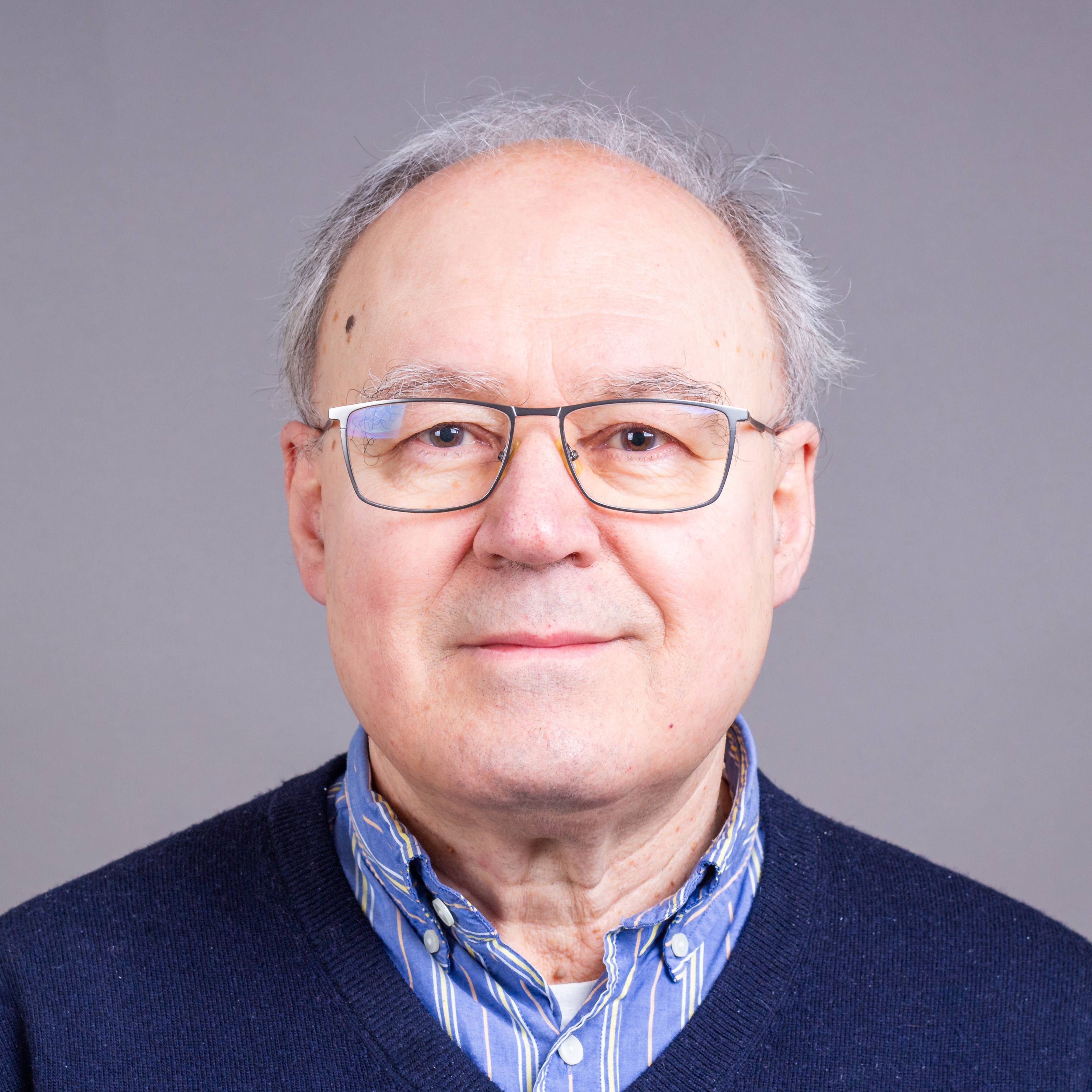
Prof Ivan G. Ivanov
Head of Semiconductor Materials Division, Department of Physics, Chemistry and Biology (IFM), Linköping University, Sweden
Title: Defects in silicon carbide for quantum-technology applications
Ivan G. Ivanov is professor at the Department of Physics, Chemistry and Biology in Linköping University, Sweden. He received his PhD degree in physics and mathematics at Moscow State University, Russia. After working five years at Sofia University, Bulgaria, he carries out postdoctoral research at the Laboratory of Solid State Physics in L’Université Pierre et Marie Curie (Université Paris VI, France) and the Department of Material Physics (the former name of the Department of Physics, Chemistry and Biology) at Linköping University, where he works since 1997. His scientific interests over the past more than 30 years are within the solid state physics, in particular fundamental properties of semiconductors and defects in semiconductors studied with optical spectroscopies (photoluminescence, photoluminescence excitation, and Raman spectroscopy). In the past decade, his research focuses on discovery, investigation and development of defects with spin in crystals suitable for applications in quantum sensing and quantum communications. Nowadays, Ivanov is heading the Semiconductor Materials division at IFM and leads a group working with defects in solids suitable for applications in quantum technology.
Prof. Georgi Georgiev
Biointerfaces and Biomaterials Laboratory,Department of Optics and Spectroscopy, School of Optometry, Faculty of Physics,St. Kliment Ohridski University of Sofia.
Title: To be confirmed
Prof. Georgiev focusses on the fields of physical chemistry and biophysics of tear film, biomaterials and biointerfaces with the aims to (i) explain the physical mechanisms behind functionalities in health and disease, (ii) to propose physicochemical biomarkers and (iii) to develop novel biomaterials and drug delivery nanoparticles for the treatment of socially important diseases. His main emphasis is on the outer ocular surface and tear film where he is considered among the leading experts in the field.
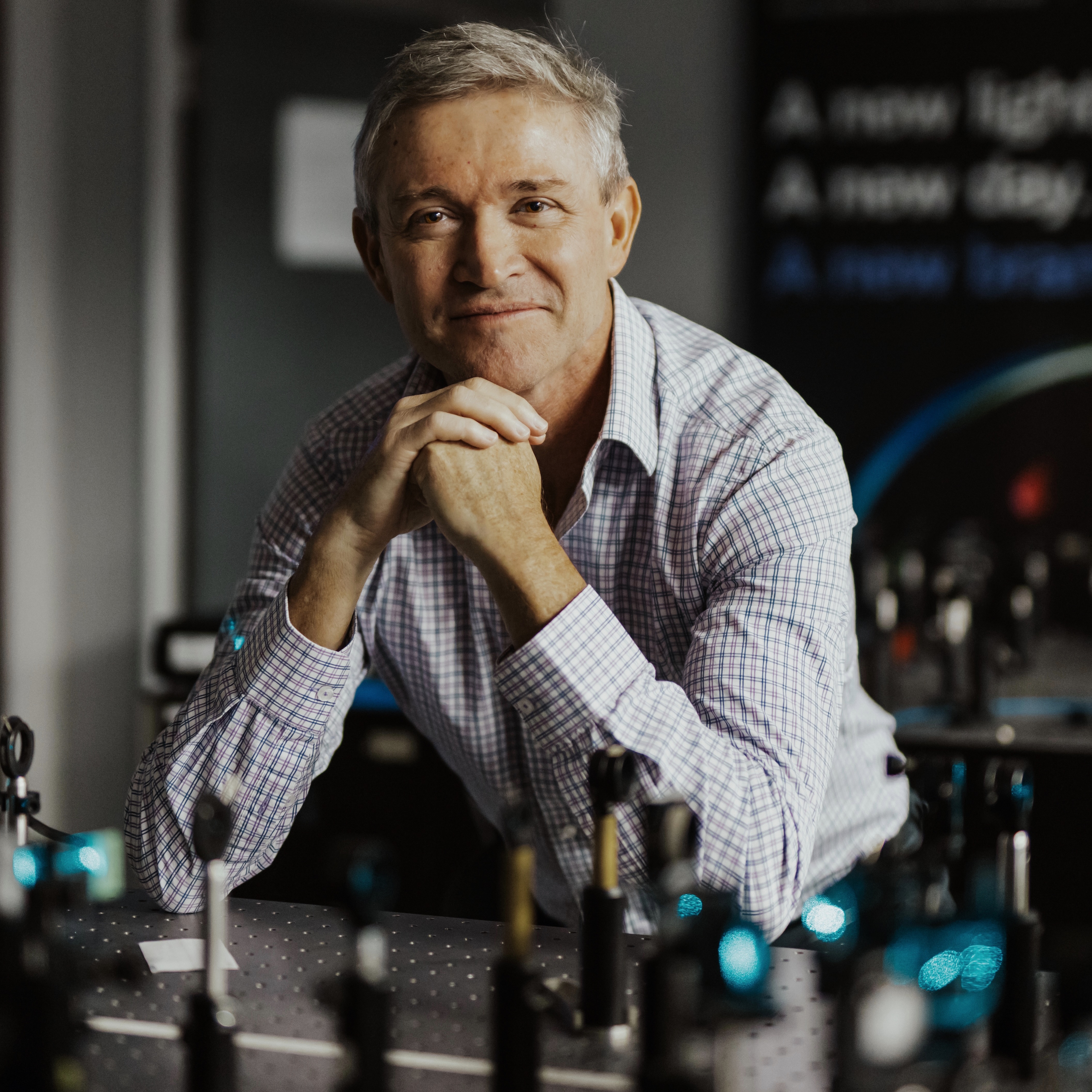
Prof. Andrew Forbes
School of Physics, University of the Witwatersrand, South Africa
Title: Structured light meets structured matter
Professor Andrew Forbes has at various times in his career found himself as teacher, janitor, secretary, receptionist, webmaster, systems engineer, sales rep, manager, director, and sometimes a scientist. He is presently a Distinguished Professor within the School of Physics at the U. Witwatersrand (South Africa) where in 2015 he established a new laboratory for Structured Light. He is a Fellow of SPIE, Optica, PIERS, the South African Institute of Physics (SAIP), an elected member of the Academy of Science of South Africa and Director of South Africa’s Quantum Initiative. Andrew is an active populariser of science through numerous popular articles, television shows and radio contributions, is an A-rated researcher, and is the only physicist from South Africa on the Clarivate Highly Cited Researchers list. He has won many awards, including the national NSTF Photonics award (2015), the Alexander von Humboldt Georg Forster Prize and Fellowship (2020) and the SAIP Gold Medal (2020), the highest award in physics in South Africa, making him the youngest winner to date. More recently he has received the Sang Soo Lee award (2022) from the Korean Optical Society and Optica for leadership in photonics, the Physics prize by TWAS (2024) for outstanding contributions to structured light, the national NSTF award for Quantum (2025) and the Harry Oppenheimer Trust Fellowship award (2025), the most prestigious science award in South Africa. His research interests cover all forms of structured light and their applications.
Invited Speakers
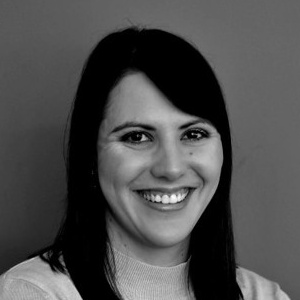
Dr. Danielle Douglas-Henry
Yield Development Engineer in TEM, Intel Ireland.
Title: To be confirmed
Danielle Douglas-Henry is a Transmission Electron Microscopist with a strong material science background. She completed her BSc Honours degree in Physics, at the Nelson Mandela Metropolitan University. She then went on to complete a MSc in the field of semiconductor physics at the Nelson Mandela University and a PhD degree in electron microscopy at the Centre for HRTEM. Her MSc project was based on electrical and optical studies of quantum well solar cells. Her PhD project shifted focus to the microstructural studies of Swift Heavy Ion irradiated NiO utilising various electron microscopy techniques. After completing her PhD, she took up a Post-Doctoral research role at the Advanced Microscopy Laboratory in Trinity College Dublin. Her research at TCD focused on characterisation of novel 2D-materials, specialising in transition metal dichalcogenides and the effect of defects on their electronic band properties. Danielle has had the opportunity to work in labs around the world and has attended numerous international conferences throughout her research career. Employing all she learned, Danielle now works at Intel Ireland, one of the world’s leading semiconductor manufacturers as a Yield Development Engineer in TEM, where she utilises her background in material characterisation to enable yield opportunities and process developments for devices manufacturing.
Dr. Andrey Turshatov
Institute of Microstructure Technology (IMT), Karlsruhe Institute of technology (KIT), Eggenstein-Leopoldshafen, Germany
Title: To be confirmed
Andrey Turshatov is a group leader at the Karlsruhe Institute of Technology (KIT) in Germany. He received his PhD in polymer chemistry from the Nizhny Novgorod State University in Russia. Following his doctorate, Dr Turshatov carried out postdoctoral research at the Technical University of Clausthal, where he used fluorescence methods to study polymer coatings, and at the Max Planck Institute for Polymer Research, where he focused on photon upconversion processes. At KIT, Dr Turshatov leads a research group working on a wide range of topics, including the chemistry and photophysics of both organic and inorganic luminescent materials and the development of innovative photocatalytic systems for water purification. His recent research interests have expanded to include the application of phosphor materials as luminescent tracers in next-generation plastics sorting technologies, a promising approach to improving recycling efficiency.

Prof Dr Bryce S Richards
Institute for Microstructure Technology (IMT), Nanophotonics for Energy, Faculty of Electrical Engineering and Information Technology, Karlsruhe Institute of Technology (KIT), Eggenstein-Leopoldshafen, Germany
Title: To be confirmed
Bryce Richards studied physics at the Victoria University of Wellington (New Zealand) before completing a Masters and PhD in electrical engineering at Univ. of New South Wales (Australia), in 1998 and 2002, respectively. He worked at both UNSW and the Australian National University. In 2006, he joined Heriot-Watt University (Edinburgh, U.K.) as a lecturer, being promoted to full professor in 2008. Since 2014 he is co-director of the Institute for Microstructure Technology (IMT) and Light Technology Institute (LTI) within the Karlsruhe Institute of Technology (Germany). His primary research areas lie in third generation photovoltaics (including perovskite solar cells), spectral conversion (up- and down-conversion), luminescent materials, light management, and solar-powered water treatment systems.

Prof Andrej Kuznetsov
Centre of Excellence for Light and Energy from Novel Semiconductors, University of Oslo, Norway
Title: To be confirmed
Andrej Kuznetsov, professor at the University of Oslo (UiO) in Norway, has >30 years’ experience in semiconductor physics and nanotechnology, resulted in >250 journal publications scoring >9700 citations (h=47) by google scholar, by May 2026. The focus is to understand novel semiconductors, searching for new fundamental phenomena and enabling new device functionalities. Taught at different levels, at present gives an introductory condensed matter physics course at BSc level, as well as supervising MSc and PhD students. Managed research funds in Russia, Sweden, Norway, as well as EU and international grants.
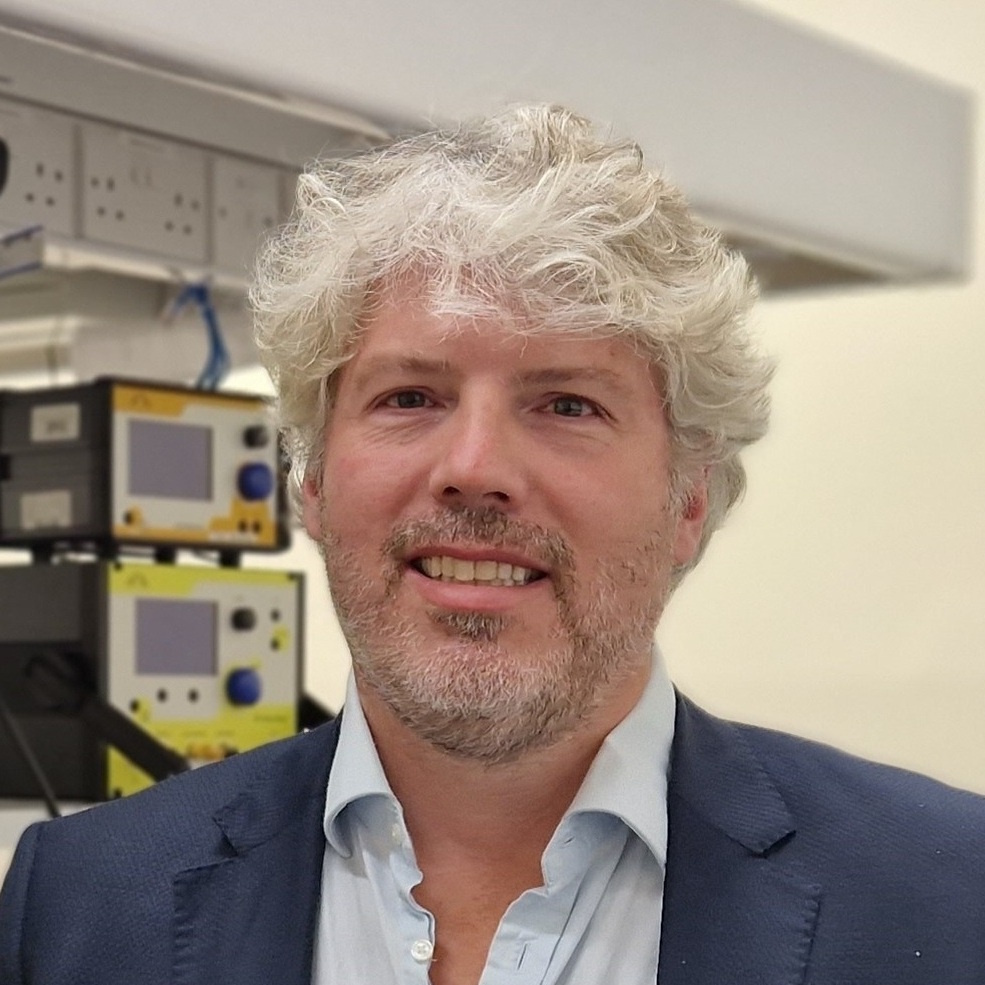
Prof Otto Muskens
Integrated Nanophotonics Group, University of Southampton, England
Title: Large-area infrared metasurface coatings for smart radiative cooling applications
Otto Muskens is Professor of Physics at the University of Southampton where he leads the Integrated Nanophotonics Group. His research focuses on nanophotonics, metasurfaces, photonic integrated circuits, advanced optical materials, and AI-enabled photonic design. Following a PhD from Utrecht University, he held research appointments in France and the Netherlands before joining Southampton in 2009. He held the Debye visiting chair at the University of Utrecht and is Fellow of Optica.